+91-9359-555-555 (Regular Course)
+91-9319-888-888 (Online Course)
Mangalayatan University Alumni

SUSTAINABLE LIVING PRACTICES

The University places strong emphasis on sustainable living practices as an integral part of its vision and governance framework. Sustainability is not limited to infrastructure alone but is embedded in academic activities, administrative decision-making, campus operations, and community engagement. Through continuous efforts in environmental conservation, efficient resource utilization, and adoption of green technologies, the University aims to develop a self-sustaining, environmentally responsible campus. These initiatives also serve as experiential learning opportunities, sensitizing students and staff to global sustainability challenges and responsible citizenship.

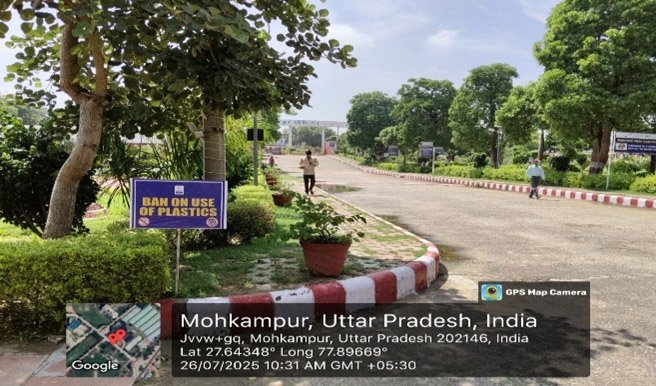
Ban on use of Single-Use Plastics on Campus

The University has adopted a structured and proactive policy framework to significantly reduce and eliminate the use of single-use plastics on campus. This initiative reflects the University’s commitment to environmental protection and compliance with national sustainability guidelines.

The University has enforced a strict and comprehensive ban on single-use plastic items to minimize environmental pollution and promote sustainable consumption practices. The prohibition covers plastic straws, disposable cutlery, cups, plates, carry bags, packaging materials, and other non-biodegradable plastic products. This policy is uniformly implemented across the entire campus, including academic buildings, hostels, cafeterias, administrative offices, and common areas. The ban is also strictly followed during all official meetings, conferences, cultural programs, and institutional events. Regular monitoring and awareness initiatives are conducted to ensure compliance and encourage responsible behavior among students, faculty members, staff, and visitors.

Waste Management

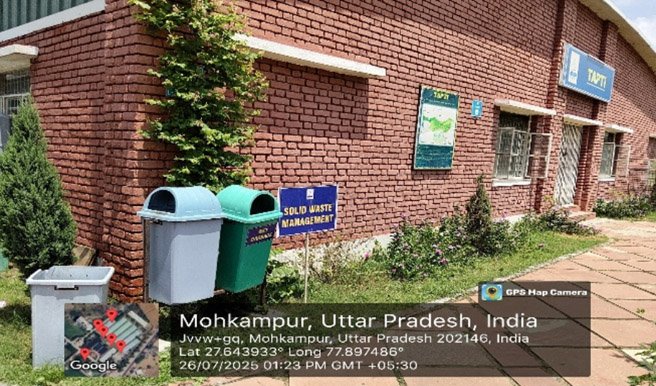
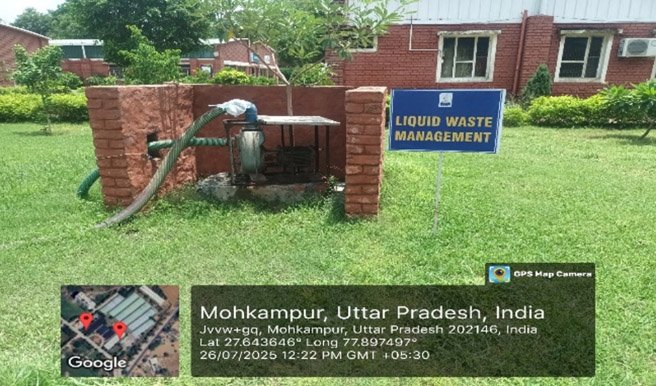
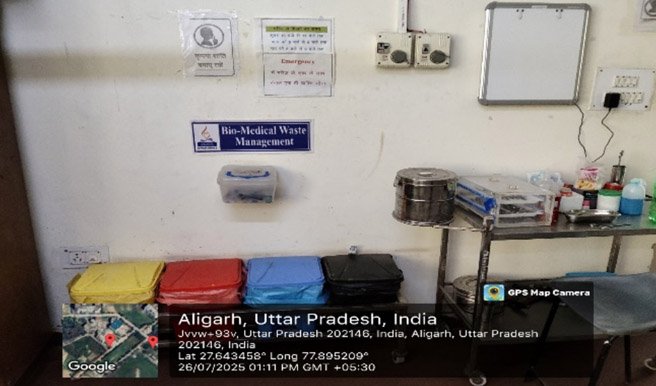
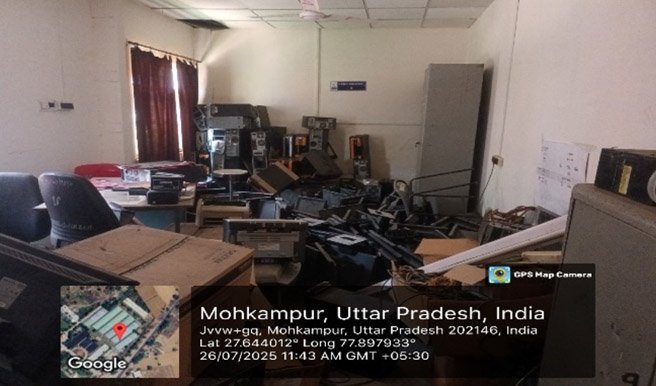
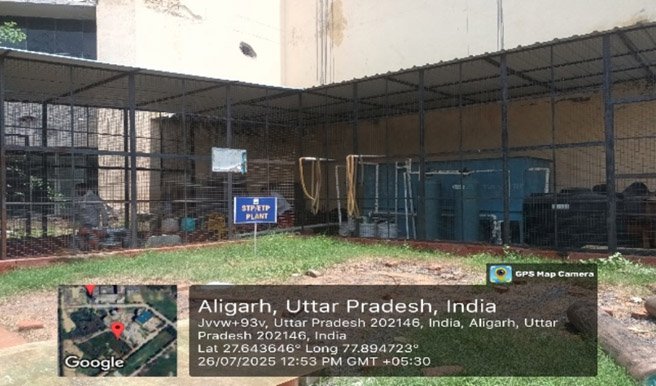
The University demonstrates a strong commitment to environmental sustainability through the implementation of comprehensive sustainable living practices. A strict ban on single-use plastics, promotion of biodegradable alternatives, and an effective waste segregation system support the development of a plastic-free campus. The institution has established structured mechanisms for the management of solid, liquid, e-waste, biomedical and sewage waste in compliance with environmental regulations. Through recycling, composting, wastewater treatment, and safe disposal practices, the University ensures responsible resource utilization and environmental protection. These initiatives collectively strengthen environmental accountability, promote sustainable consumption, and contribute to a clean, green, and eco-friendly campus environment.

Initiatives to Reduce Carbon Footprint

Reducing carbon emissions and enhancing energy efficiency are key priorities in the University’s sustainability strategy. A combination of infrastructure upgrades, clean energy adoption, and responsible operational practices has been implemented to minimize the institution's carbon footprint.

Energy-Efficient Buildings

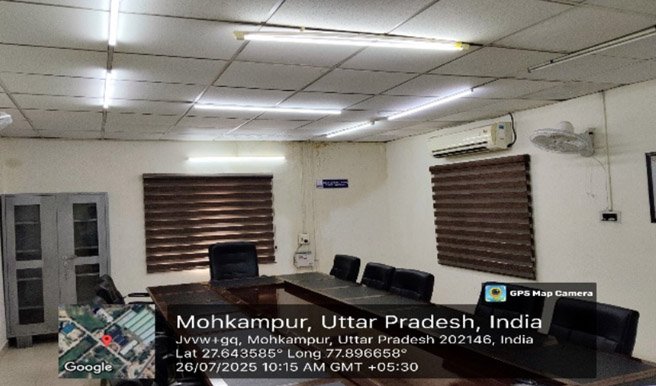
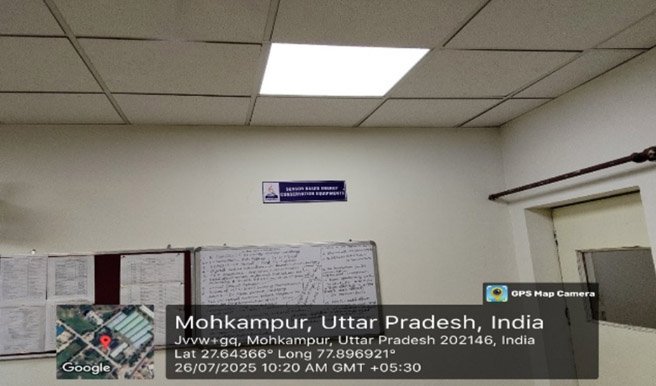
The University has made significant investments in energy-efficient infrastructure to reduce energy consumption and minimize environmental impact. Campus buildings are equipped with LED lighting systems, star-rated electrical appliances, Sensor based energy consumption and energy-optimized designs that maximize efficiency while ensuring comfort. Architectural planning emphasizes the use of natural lighting, cross-ventilation, and passive cooling techniques, which significantly reduce the reliance on artificial lighting and air conditioning. In addition, energy audits are periodically conducted to identify opportunities for further efficiency improvements. These measures not only lower electricity consumption but also enhance indoor environmental quality, creating healthier and more sustainable learning and working spaces for students, faculty, and staff.

Renewable Energy Installations

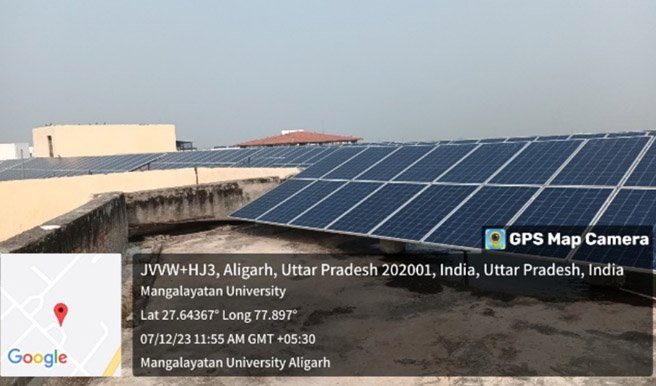
To promote clean and sustainable energy, the University has deployed renewable energy systems across campus, with a primary focus on solar power installations. Solar photovoltaic panels are installed on rooftops and open areas, Solar Street lights and Biogas plant generating a significant portion of the campus electricity requirements. These installations help reduce dependence on fossil fuels, lower greenhouse gas emissions, and contribute to climate action goals. The University continually explores additional renewable energy solutions, including small-scale wind turbines and biogas plants, to further diversify energy sources and strengthen energy sustainability. Educational and awareness programs are also conducted to engage students and staff in responsible energy usage practices.

Sustainable Procurement Practices

The University follows comprehensive sustainable procurement policies to ensure that all purchases and acquisitions align with environmental sustainability goals. Priority is given to energy-efficient equipment, eco-labelled products, recycled and reusable materials, and suppliers who adhere to environmentally responsible practices. This approach ensures that sustainability is integrated throughout the supply chain, from sourcing to final usage, and supports a culture of green decision-making within the institution. Regular monitoring and evaluation of procurement practices ensure that sustainability objectives are consistently met while promoting accountability and environmental stewardship.
Recycling Infrastructure on Campus

The University has developed a well-organized recycling framework to ensure responsible waste management and promote environmental awareness among campus stakeholders.

Comprehensive Recycling Infrastructure

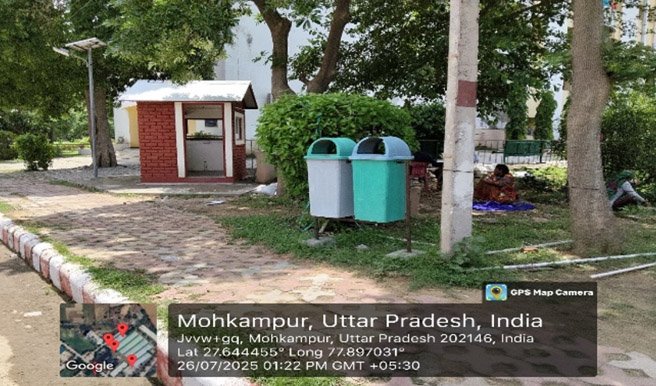
The University has established a comprehensive recycling system with color-coded waste segregation bins, clear instructional signage, and regular collection mechanisms across academic blocks, hostels, laboratories, and cafeterias. Awareness campaigns, student initiatives, and staff participation actively promote responsible waste disposal. This integrated approach minimizes landfill waste, encourages recycling, and fosters a sustainable, eco-friendly campus culture.

Rainwater Harvesting Systems

Water conservation and sustainable water management are core components of the University’s environmental initiatives. Multiple rainwater harvesting systems have been implemented to enhance water security and groundwater recharge.

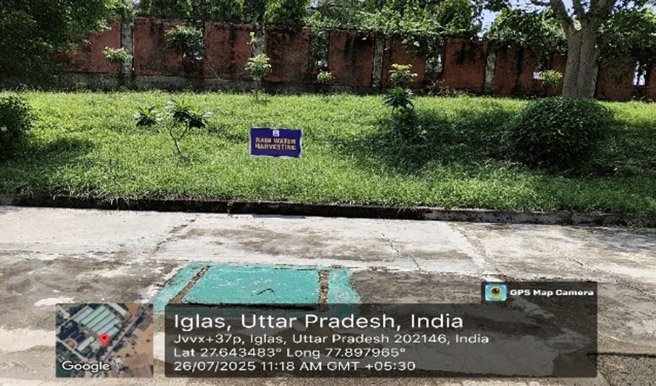
Rainwater Harvesting Pit System

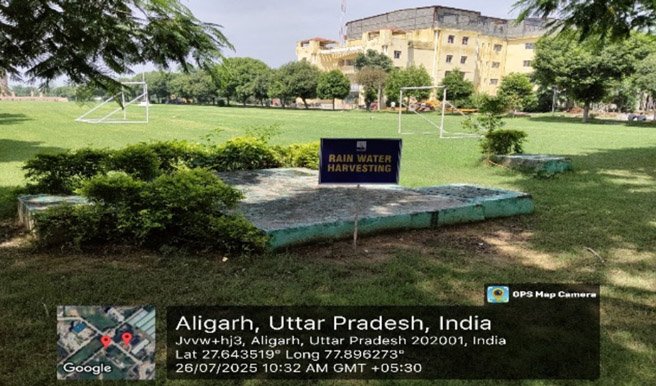
The University has implemented percolation pits at strategically selected locations across the campus to efficiently capture and channel rainwater into the ground. These pits facilitate natural infiltration, helping to recharge the groundwater table and maintain soil moisture levels. By slowing down surface runoff, percolation pits reduce soil erosion, prevent waterlogging, and contribute to the overall sustainability of the campus water resources.

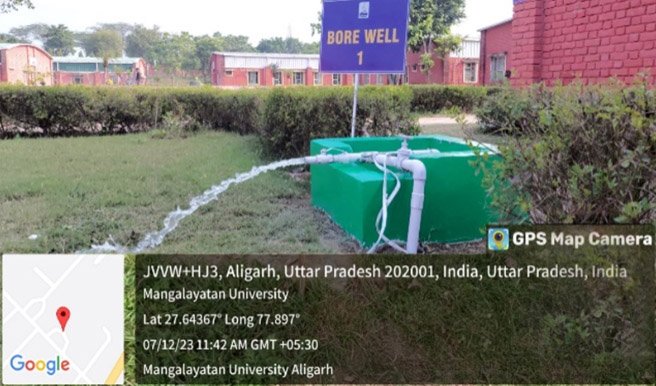
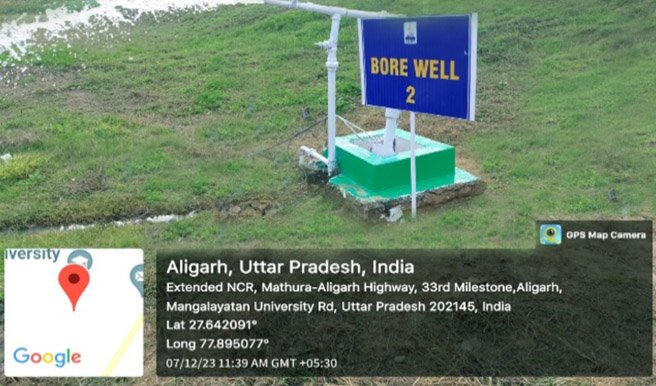
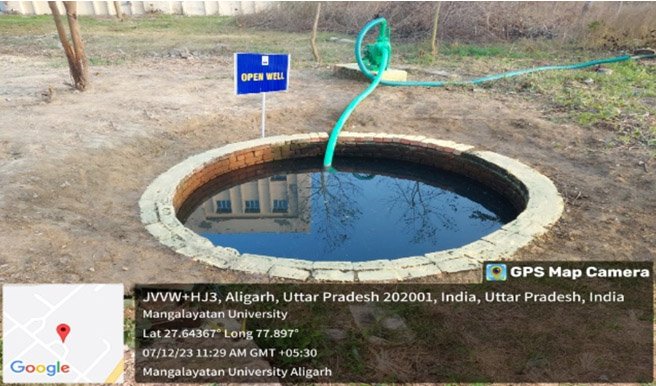
Bore/Open Wells

Recharge wells (bore or open wells) have been constructed to directly replenish underground aquifers, particularly during the monsoon season when rainfall is abundant. These wells help maintain long-term groundwater levels, ensuring the availability of water for future needs. Regular monitoring and maintenance of recharge wells ensure optimal performance and maximum groundwater recharge efficiency.

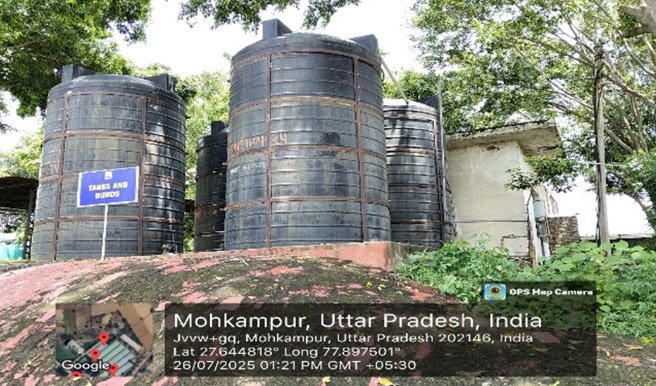
Storage Tank System

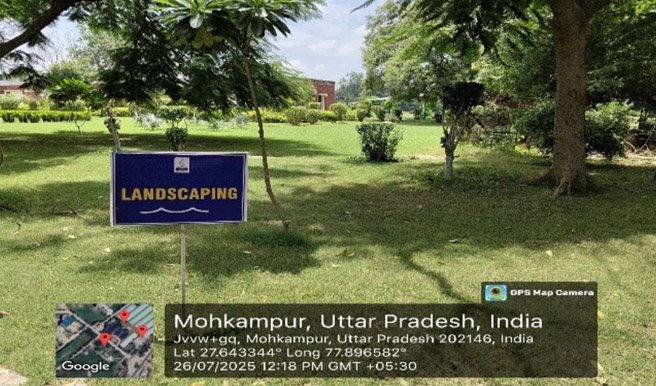
The University also uses storage tanks to collect and store harvested rainwater for reuse in non-potable applications. Stored rainwater is utilized for gardening, landscaping, cleaning, and maintenance activities, reducing dependency on municipal water supply. This system not only promotes water conservation but also enhances the resilience of the campus against water scarcity and supports sustainable water management practices.

Renewable and Alternative Energy Sources on Campus

The University actively promotes the adoption of renewable and alternative energy sources as a key component of its commitment to climate action, energy sustainability, and environmentally responsible campus operations. By integrating clean energy solutions into daily operations, the University reduces its reliance on conventional fossil fuels, lowers greenhouse gas emissions, and contributes to sustainable development goals.

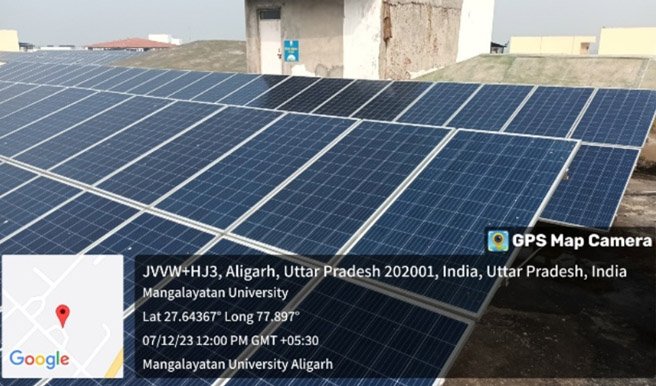
Solar Energy

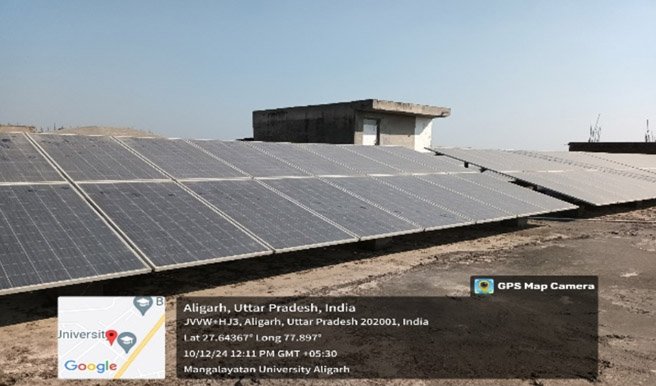
The University has installed solar photovoltaic (PV) panels at University building and campus with the capacity of more than 200 KW. These solar panels generate a significant portion of the campus electricity requirements, helping to reduce dependence on grid electricity and fossil fuels. The system is designed to optimize energy efficiency and ensure maximum generation throughout the year. Solar energy initiatives also serve as practical learning opportunities for students in renewable energy studies and environmental sciences, reinforcing the University’s role as a centre for sustainable innovation.

Biogas Plants

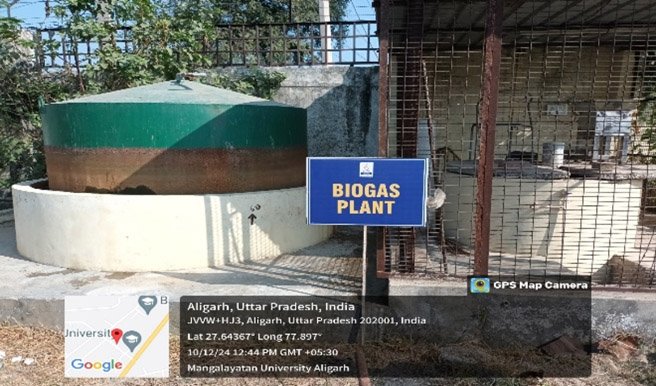
Biogas plants have been established on campus to treat organic waste generated from hostels, cafeterias, and other food service areas. These plants convert biodegradable waste into renewable energy in the form of biogas, which is utilized for cooking and other energy needs on campus. In addition to energy generation, the plants produce nutrient-rich organic manure, which is used for landscaping and gardening, promoting a circular economy model. The integration of biogas plants demonstrates the University’s holistic approach to waste-to-energy conversion, resource efficiency, and environmental responsibility.

Approach to Minimizing Food Waste

The University follows a holistic and sustainable approach to minimizing food waste, integrating social responsibility, resource efficiency, and environmental stewardship. These initiatives not only reduce wastage but also promote a culture of mindful consumption and sustainability among students, faculty, and staff.

Awareness Programs on minimizing Food Waste
Food Donation Programs

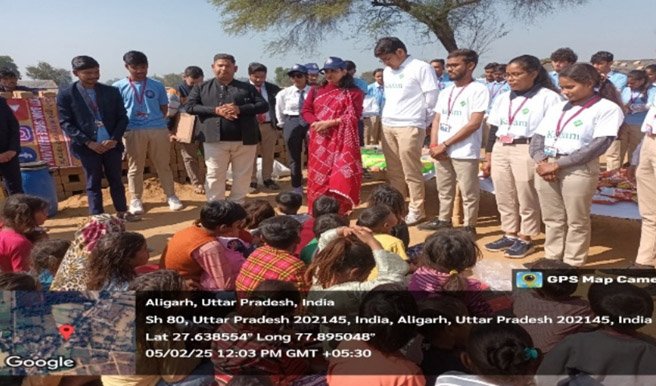
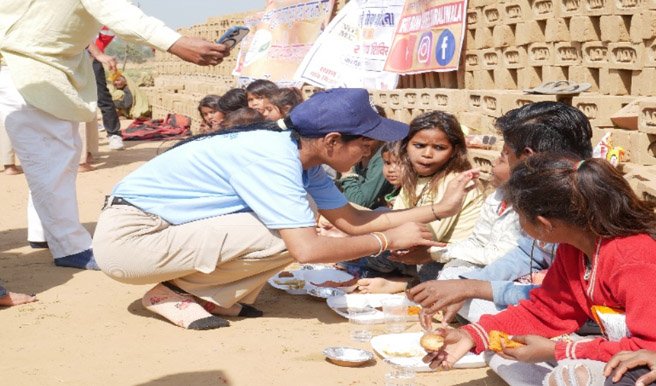
Surplus edible food generated from hostels, cafeterias, and campus events is systematically collected and redistributed through organized food donation initiatives. These programs ensure that excess food reaches underprivileged communities, thereby contributing to social welfare while significantly reducing food waste on campus. The initiatives are conducted in collaboration with local NGOs and community organizations, ensuring safe handling, hygiene, and timely distribution of food. Through these programs, students and staff are encouraged to actively participate in socially responsible practices, fostering empathy and community engagement.

Composting Systems

The University has implemented composting systems to manage organic food waste effectively. All biodegradable waste from hostels, cafeterias, and campus kitchens is processed in these composting units, converting it into nutrient-rich organic compost. This compost is then utilized for landscaping, gardens, and green spaces within the campus, creating a closed-loop system that transforms waste into a valuable resource. Regular maintenance and monitoring of composting units ensure efficiency, hygiene, and optimal nutrient recovery. This practice not only reduces the volume of waste sent to landfills but also supports the University’s sustainability and green campus goals.

Sustainable Food Procurement

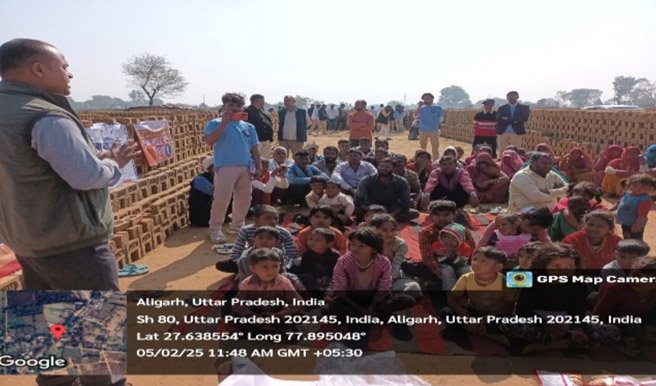
The University emphasizes sustainable food procurement and meal planning practices to minimize food wastage at the source. Measures include careful estimation of food requirements, prioritizing local and seasonal produce, and selecting vendors who follow environmentally responsible practices. These efforts optimize resource utilization, reduce overproduction, and promote mindful consumption among students, faculty, and staff. Awareness campaigns and training sessions further reinforce the importance of reducing food waste and encourage active participation in sustainable practices.